
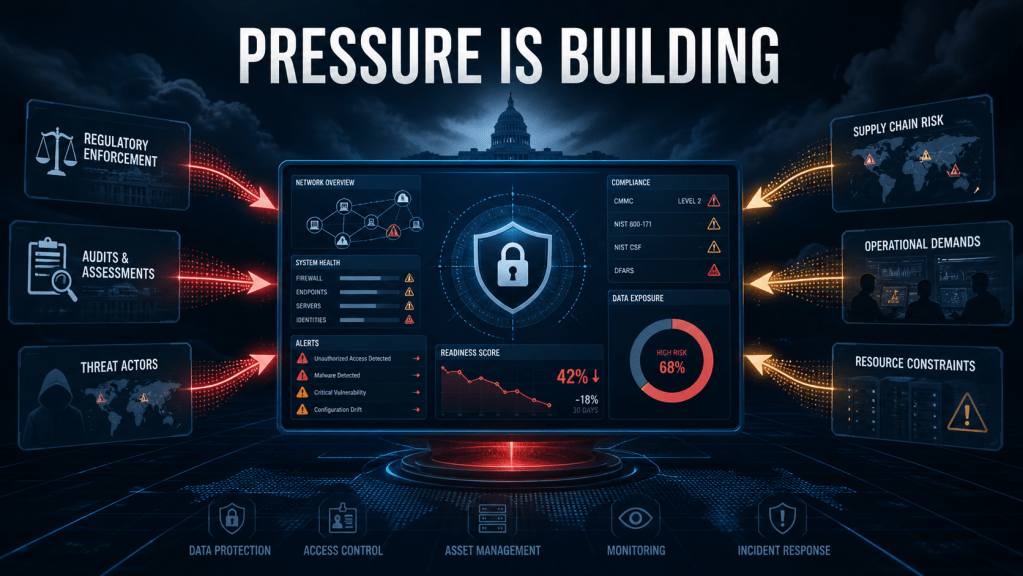
CMMC & Cybersecurity Intelligence Brief – 14
Exploited SD-WAN flaws, falling readiness, and rising FCA risk are tightening the window for CMMC compliance—and the cost of waiting is growing fast.


Exploited SD-WAN flaws, falling readiness, and rising FCA risk are tightening the window for CMMC compliance—and the cost of waiting is growing fast.
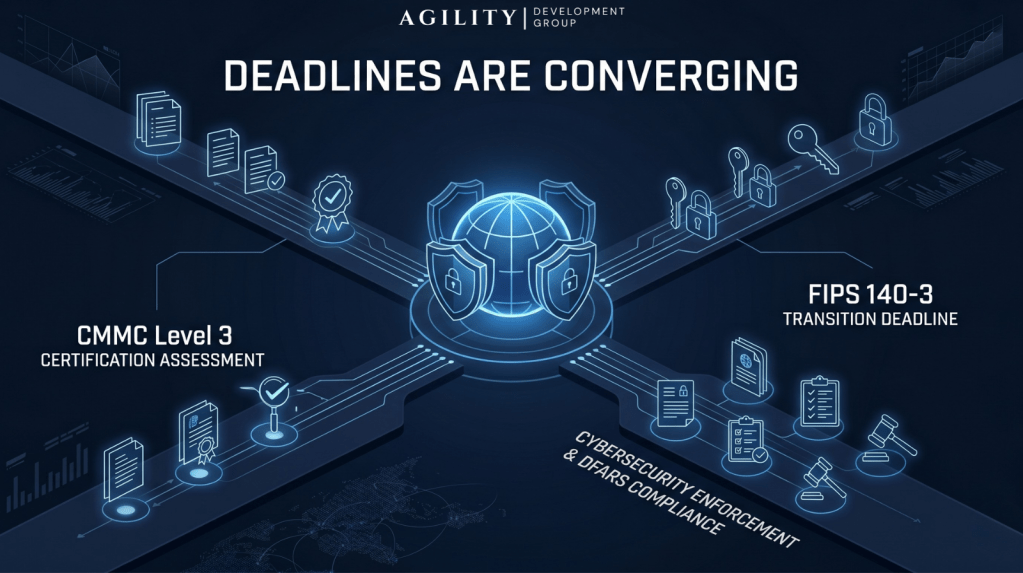
CMMC pressure is rising fast—new vulnerabilities, policy deadlines, and marketplace changes are shrinking the margin for delay. Contractors must act early to stay compliant.
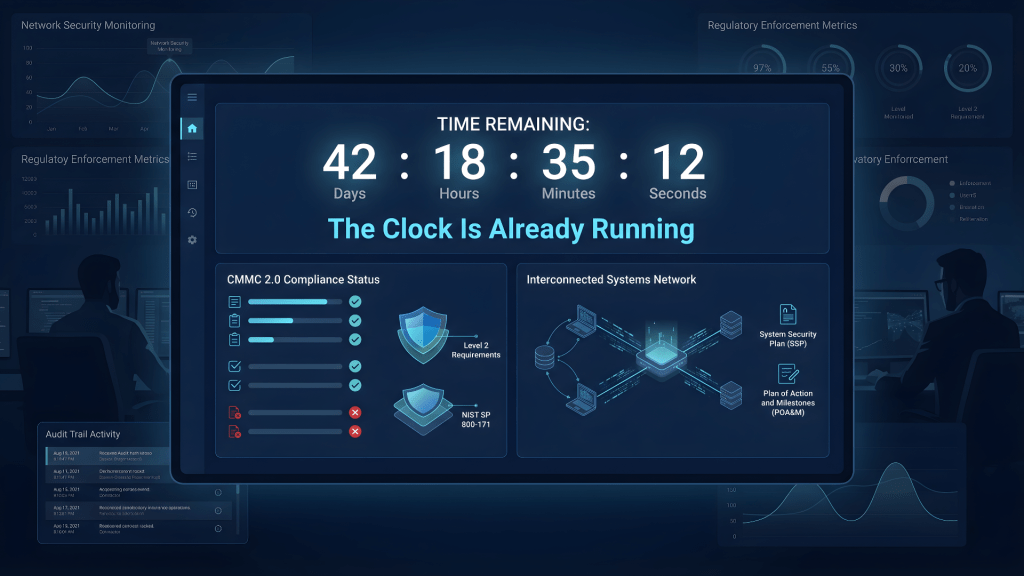
DFARS self-assessments are gone, zero-days are being exploited, and the C3PAO queue is filling fast. April may be your last shot to meet the Phase 2 deadline.

New credentialing, zero trust mandates, and persistent CUI marking failures are rapidly reshaping CMMC compliance timelines for defense contractors.

Compliance is no longer just a requirement — it’s becoming a prerequisite for doing business. Cyber insurers are now tying premiums directly to CMMC readiness, AI-enabled threats are accelerating attack timelines, and annual compliance affirmations carry real legal risk. At the same time, rising costs and regulatory pressure are expected to push thousands of companies out of the defense market in the next few years. Organizations that shift to continuous compliance now won’t just stay eligible — they’ll stay competitive.
Automatically changing everything to present tense can make responses sound confident — but it can also create ambiguity about what you’re committing to deliver under the contract. Evaluators score future performance, not current capability descriptions.

With major regulatory deadlines approaching and assessment expectations tightening, organizations that align technology, documentation, and practice now will be positioned to compete while others scramble to catch up.
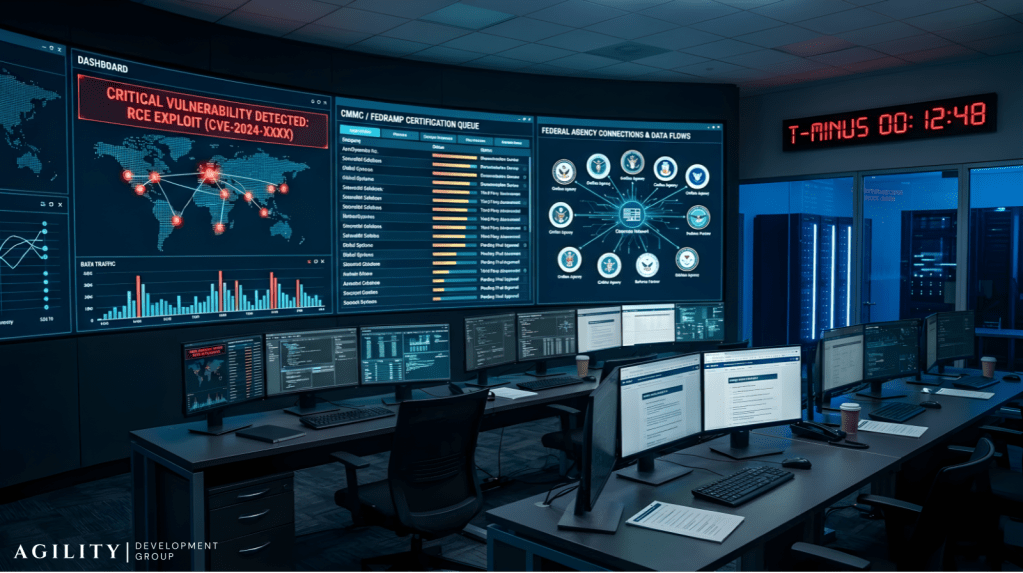
New federal rules could extend CUI security requirements to every federal contractor, while assessment backlogs are growing and only 0.38% of companies requiring Level 2 certification have passed so far, creating a widening capacity gap.
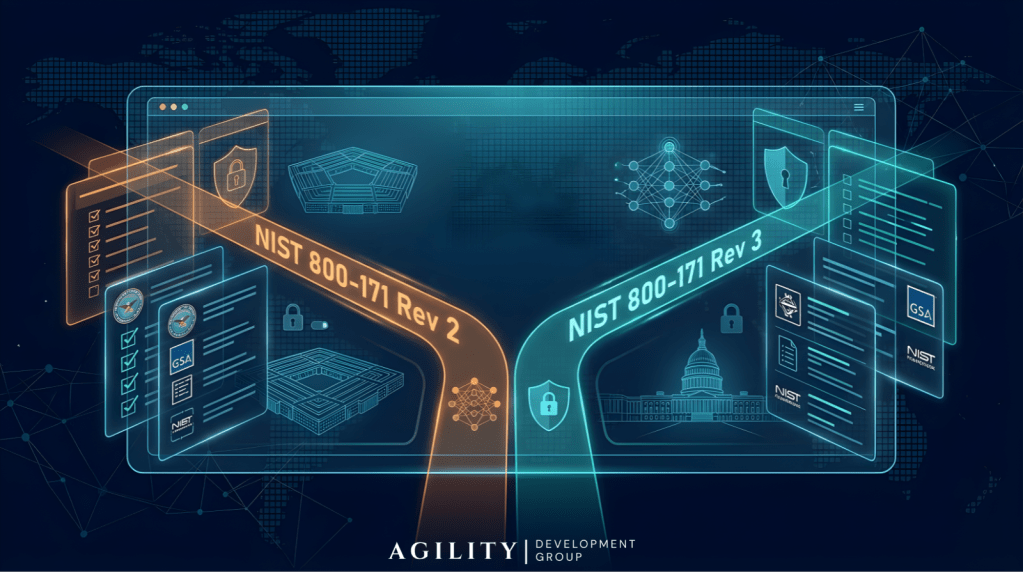
New mandates are pulling contractors in different directions: GSA is moving to NIST Rev 3, AI tool bans now require immediate audits, and DoJ cyber-fraud settlements surged 233% in 2025, raising the stakes for every self-assessment.

Four months into enforcement, the biggest risks emerging in 2026 aren’t technical — they’re structural: mis-scoped CUI boundaries, rising compliance costs, and annual affirmations that now carry real legal liability.